The short answer
A standard atomizer dispenses about 0.10 ml per spray. Figures published by fragrance-packaging manufacturers put the real range at 0.08 ml to 0.12 ml depending on the brand and the pump — Jo Malone at the low end, Tom Ford at the high end — which means a 100 ml bottle holds somewhere between 800 and 1,200 sprays.
At three sprays a wear, that is 267 to 400 wears. Wear it literally every day and a 100 ml bottle lasts roughly nine months to a bit over a year. Wear it in a rotation with two other bottles, which is what most people actually do, and it lasts two to three years. That second number is the important one, because it is long enough that the question stops being “will I run out” and becomes “will it still be good when I get to the bottom.”
The numbers, by bottle size
Everything below is arithmetic on the 0.08–0.12 ml per spray range above. The wear counts assume three sprays, which is a normal application for an eau de toilette or eau de parfum; if you use five, cut the wear figures by about forty per cent.
| Bottle size | Sprays | Wears (3 sprays) | Daily wear | In a 3-bottle rotation |
|---|
| 10 ml travel | 80–120 | 27–40 | About a month | A season of occasional use |
|---|
| 30 ml (1 oz) | 250–375 | 83–125 | 3–4 months | Most of a year |
|---|
| 50 ml (1.7 oz) | 400–600 | 133–200 | 4–7 months | Over a year |
|---|
| 100 ml (3.4 oz) | 800–1,200 | 267–400 | 9 months to a year | 2–3 years |
|---|
| 200 ml (6.7 oz) | 1,600–2,400 | 533–800 | About 2 years | Longer than it will stay fresh |
|---|
Read the last column again, because it is where most of the money gets wasted. A 200 ml bottle contains more wears than almost anybody will get through before the fragrance itself starts to turn. Unless it is a confirmed signature you have already emptied a bottle of, the big size is a worse purchase than the smaller one regardless of how good the price per millilitre looks.
What a wear actually costs
Fragrance is one of the few luxury categories where the per-use cost is trivially small and almost nobody computes it. Using the 267 to 400 wears in a 100 ml bottle, here is the shape of it:
- A $25 value-house bottle: roughly 6 to 9 cents a wear.
- A $75 designer bottle: roughly 19 to 28 cents a wear.
- A $200 premium bottle: roughly 50 to 75 cents a wear.
Those prices are illustrative round numbers chosen to show the spread, not quotes on any particular bottle — every live price on this site appears only in a buy button, stamped with the date it was read. What the arithmetic is good for is settling arguments with yourself. Spending twice as much on a bottle you love and will actually finish costs you cents per day. Spending anything at all on a bottle that sits unused costs you the whole amount.
The three variables that change your answer
How many sprays you use
This is the biggest lever and the one people get wrong in both directions. Three sprays is a normal application for most eau de toilette and eau de parfum. Five is a lot. Eight means you have stopped being able to smell it on yourself, which happens to everybody within an hour or two and is not a sign the fragrance has failed — see why you cannot smell your own cologne. If your bottles are emptying in three months, the dose is almost certainly the reason rather than the bottle size.
How concentrated it is
A parfum or extrait carries several times the fragrance oil of an eau de cologne — published ranges put parfum around 20 to 30 per cent and cologne as low as 2 to 4 per cent — so a small bottle of a parfum can represent more wearable fragrance than a large bottle of a cologne. It also means fewer sprays per wear, which stretches the bottle further again. Our concentrations guide has the full table.
How many bottles you own
One bottle worn daily empties in under a year. The same bottle in a three-way rotation lasts three times as long — at which point shelf life, not volume, is what you are buying against. This is the single strongest practical argument for a small rotation rather than one bottle or fifteen, which is the subject of how many colognes a man should own.
So which size should you buy?
Three rules cover almost every case, and they are the thing to take away from the arithmetic above.
- Buy 100 ml for a bottle you have worn before and will wear often. The price per millilitre is nearly always better and you will finish it comfortably inside its good life.
- Buy 50 ml or smaller for anything expensive, seasonal or untested. A cold-weather scent you wear twice a week does not need 400 wears in it, and a smaller bottle of something premium is a much smaller mistake if you tire of it.
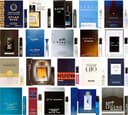
- Buy nothing at full size until you have worn it for a day. A sample costs a few dollars against a few hundred wears you may never want. The single most expensive habit in this hobby is buying 100 ml of something on a ten-minute impression.
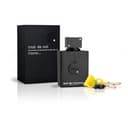
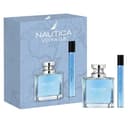
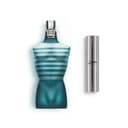
The picks below follow directly from those three rules: the bottle that wins on cost per wear, the cheapest way to avoid a bad 100 ml decision, and two sets that pair a full-size bottle with a factory-filled travel spray so the big one can stay somewhere cool and dark.