How we picked
Four criteria, applied in this order. They are worth reading because they explain some of the absences as much as the inclusions.
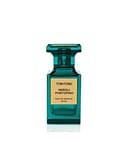
- Bergamot has to be published, not assumed. Every bottle here lists bergamot (or, in the case of Neroli Portofino, Italian bergamot specifically) in the brand’s own note pyramid. We did not include anything on the basis that it smells citrusy to us.
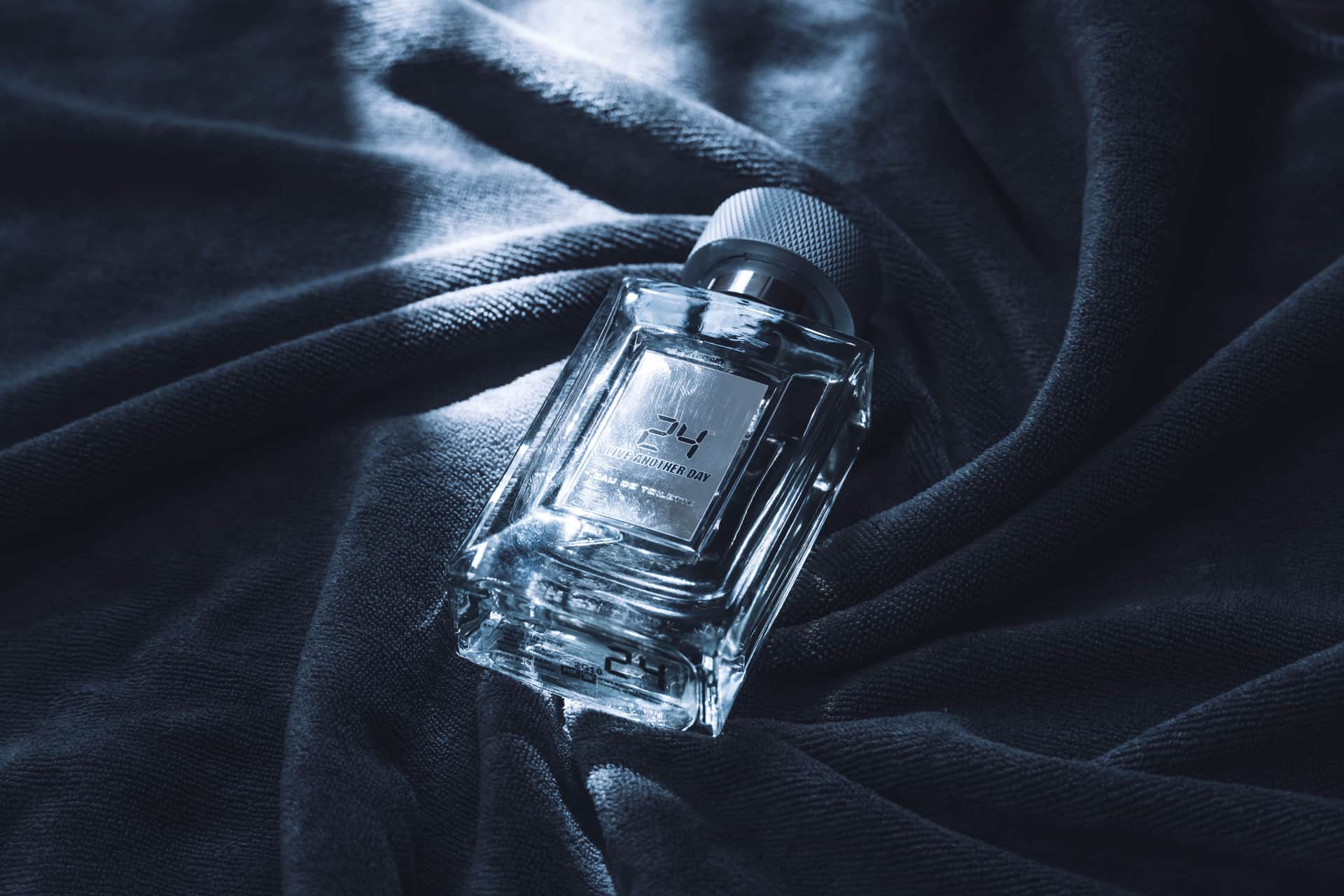
- Bergamot has to be audible in the mix.Twenty-eight bottles in our registry contain it; eight are here. The ones that did not make it are fragrances where bergamot is doing structural work under a cinnamon gourmand or a tobacco base — real bergamot, inaudible to the wearer.
- The price band has to be covered. A page that only recommended Private Blend citrus would be useless to most people reading it. There are three bottles here under about twenty-five dollars and three over a hundred.
- The cons have to be real.Every pick above carries a specific reason you might not want it, including the top one. Bergamot fragrances have a characteristic weakness — they are the shortest-lived category in perfumery — and pretending otherwise would make this page worthless.
What bergamot actually smells like
Bergamot is a citrus fruit grown mostly in Calabria, in southern Italy, and the oil comes from the peel. It is the material that makes Earl Grey tea taste like Earl Grey tea, which is the fastest way to recognize it: bright and lemony up front, but with a soapy, faintly floral, slightly bitter edge that ordinary lemon does not have. That bitterness is why it works in men’s fragrance where sweeter citrus does not — it reads clean and crisp rather than like a dessert or a cleaning product.
One practical note on citrus generally: some citrus oils can increase skin sensitivity to sunlight, so a bergamot-heavy fragrance is a better idea on clothing than on bare skin about to spend an afternoon in strong sun. That and the rest of the ingredient question — including why the label is allowed to say only “Fragrance” — is covered in is cologne safe?
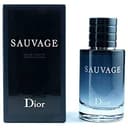
Two of the bottles above name their origin explicitly: Dior publishes Calabrian bergamot, and Tom Ford publishes Italianbergamot. That is a provenance claim about where the oil comes from rather than a measurable quality difference you can smell in a blind test, and we are not going to pretend otherwise — but it does tell you the brand considers the material a selling point rather than a filler.
Why bergamot fragrances do not last
This is the one piece of chemistry worth understanding before you spend money, and it explains the single most common disappointment in this category.
Fragrance materials evaporate in order of how volatile they are. Citrus oils are at the extreme light end — they lift off the skin fast, which is exactly why they are used as top notes and why they smell so immediate on the first spray. The consequence is unavoidable: a fragrance built mostly on citrus is a fragrance built mostly on the part that leaves first. Neroli Portofino’s three-to-five-hour community reports are not a formulation failure; they are what a genuine citrus does.
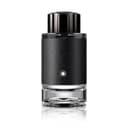
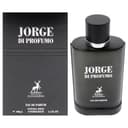
Which gives you a straightforward way to read the list above. The bottles reported at eight hours and up — Sauvage, Explorer, Jorge Di Profumo, Bleu de Chanel — all do it by putting something heavy underneath: ambroxan, vetiver, sandalwood, incense. You are getting a bergamot opening and a woody day. The bottles where bergamot stays the subject are the short ones. There is no bottle that is both, and anyone telling you otherwise is selling something. If longevity is your priority, our long-lasting shortlist is a better starting point than this page, and sillage, projection and longevity separates the three things people lump together when they say a fragrance is weak.
Bergamot-led, or bergamot-flavored?
The practical split on this page, stated plainly, because it decides which bottle you should buy:
Bergamot is the subject in Neroli Portofino and Armaf Tres Nuit. These are citrus fragrances. You will smell bergamot for most of the time you can smell anything at all, and both are short by the standards of the rest of the list.
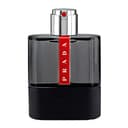
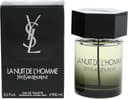
Bergamot is the openingin Sauvage, Bleu de Chanel, Explorer, Luna Rossa Carbon, La Nuit de L’Homme and Jorge Di Profumo. You get fifteen to forty minutes of citrus and then the fragrance becomes a pepper-ambroxan, an incense-wood, a vetiver-leather, a metallic-lavender, a cardamom-cedar or a smoky vetiver respectively. All six are better bottles to own. None is a bergamot fragrance by the end of the morning.
If you are not sure which you want, that is the strongest argument on this page for buying samples before a bottle. A designer sample set costs less than one of these and answers it in a week, and how a fragrance behaves on your own skin affects a short citrus far more than it affects a heavy amber.
What is deliberately not here
Three absences worth explaining, because they are the bottles people expect on a page like this.
Acqua di Giopublishes bergamot, and it is one of the most recommended fresh fragrances ever made — but marine notes lead it and bergamot sits second. It belongs on our best fresh colognes list, where it is the benchmark, rather than here. Creed Aventus contains bergamot too, underneath pineapple and birch, where nobody has ever noticed it. Lattafa Khamrah, Afnan 9PM and Hugo Boss Bottled all publish bergamot and all read as warm spice or sweet amber, because cinnamon and vanilla are louder materials than citrus and win the argument every time.
That last group is the clearest illustration of why this page is a proportion question. Three sweet, warm, cold-weather fragrances all technically qualify as bergamot colognes. Recommending them to somebody searching for one would be accurate and completely useless.