What amber actually is
Amber in perfumery is a built accord, not an extracted material. The traditional recipe is labdanum — a sticky resin from the rockrose shrub — with benzoin resin, vanilla and a balsam, adjusted with whatever sweet or powdery material the perfumer wants in front. Modern versions add synthetics for projection and stability.
Two consequences follow, and both matter when you are shopping. First, “amber” on a note list tells you the shape of the base rather than a smell you can predict: warm, resinous, slightly sweet, with weight. Second, because it is a recipe, the differences between amber fragrances live in the materials around it. That is why the four lanes below are more useful than the word.
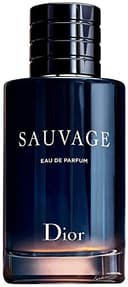
The confusion with ambergris and ambroxan is worth clearing up separately. Ambergris is a marine material with an entirely different history; ambroxan is the synthetic that stands in for it, and it is in Sauvage, Dylan Blue, Eros and Luna Rossa Carbon. Nothing on that list is an amber fragrance in the sense this page means. Our ambroxan explainer covers the distinction properly.
The four lanes
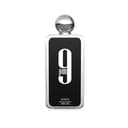
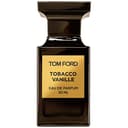
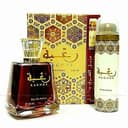
Sweet gourmand amber is the dominant modern style: amber base, vanilla and tonka forward, something edible on top. 9PM, Tobacco Vanille and Khamrah are this. It is the lane most likely to get compliments and the lane most likely to be too much in a small room.
Resinous amberis the older idea — incense, resins, smoke, with the sweetness underneath rather than on top. Raghba is the cheap example and a genuinely distinctive smell. If you have ever walked into a church and liked it, this is your lane.
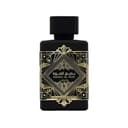
Woody amberputs wood and resin in front: agarwood, sandalwood, patchouli, with amber as the glue. Bade’e Al Oud and Shaghaf Oud sit here. It is the driest, most formal direction, and the easiest to wear if you dislike sweetness.
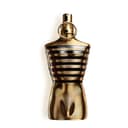
Ambery fresh is the hardest to build and the most useful to own: citrus or aromatic materials on top, amber warmth underneath, so the bottle works in daylight. Sauvage Eau de Parfum and Le Male Elixir are the examples here, and they are the only two bottles on this page we would recommend for a working day.
Why nearly all of these are cold-weather bottles
Amber accords are built on heavy, slow-evaporating materials — resins, vanilla, balsams — and heat accelerates every one of them. In cold air that weight is exactly what you want: the fragrance releases gradually and projects without shouting. In a warm room the same bottle arrives all at once and reads syrupy.
This is not a rule about taste, it is about physics, and it is why not one of the eight picks here appears on our summer list, while the winter listis almost entirely amber-based bottles. If you want one bottle for the whole year, buy an ambery-fresh one and accept that it is warmer in January than it is in July — or buy two bottles, which at value-house prices is cheaper than most people assume.
Dosing amber properly
Every pick here is eau de parfum strength or above, and six of the eight are community-reported at eight hours or more. Two sprays to the chest, under a shirt, is the full dose for the sweet and resinous lanes. Fabric holds amber materials unusually well, which is both why the reported wear times are so high and why over-application is the single most common mistake in this family.
Our guide to applying cologne covers the mechanics, and how long a bottle lasts does the cost-per-spray arithmetic — which matters here, because a two-spray fragrance at twenty-five dollars for 100 ml is one of the cheapest things you can own.
Prices in the buy buttons above come from our daily Amazon check and carry the date they were read. Where a bottle returns no live price you will see “check price on Amazon” rather than a number.