The five woody sub-families
Read this section before you read the picks. Choosing the sub-family first is what turns a vague preference into a purchase you keep wearing.
Dry and smoky (vetiver, cedar, birch)
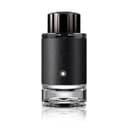
The sharpest end of the family. Vetiver is a root, not a wood, but it smells like dry earth and smoke and it is the backbone of most “serious” woody fragrances. Montblanc Explorer and Bleu de Chanel both live here. This is the sub-family that reads most clearly as formal, and the one least likely to be described as pleasant — which is exactly why people who are tired of pleasant end up buying it.
Creamy and warm (sandalwood, suede, amber)
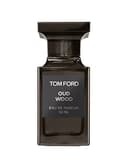
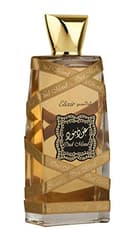
Sandalwood is the opposite of vetiver: soft, milky, faintly sweet. Combine it with suede or amber and you get the most comfortable fragrances in the family. Lattafa’s Oud Mood Elixir is the cheap entry point and Tom Ford Oud Wood is the reference version. If you have tried woody scents and found them harsh, this is the corner you were missing.
Aromatic-woody (lavender, cardamom, herbs over wood)
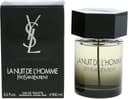
The most wearable and the most common. Herbs and spices sit on top of a woody base, which keeps things from feeling either sharp or heavy. La Nuit de L’Homme’s cardamom-and-cedar is the classic example, and it is the reason that bottle has been a default evening recommendation for well over a decade.
Mineral and modern (ambroxan, metallic accords)
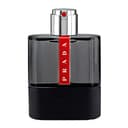
The newest sub-family and the one that divides people. Ambroxan is a synthetic amber material that reads as clean, dry and slightly salty; paired with a metallic or mineral accord it produces the distinctively modern texture in Prada Luna Rossa Carbon. Sample this one. The people who like it wear nothing else, and the people who do not describe it as smelling like a new appliance — the full Luna Rossa Carbon review takes that split apart properly.
Oud-woody (agarwood)
The heaviest corner, and the one where the value houses have made the biggest difference to what is affordable. Agarwood is genuinely expensive as a raw material, so most cheap oud is a reconstruction — that is not a scandal, it is how the category works, and our best oud fragrances roundup sorts out which bottles contain what.
How we chose these picks
Three filters, applied in order.
1. The wood has to be doing structural work
Almost every men’s fragrance has cedar somewhere in the base; that does not make it a woody fragrance. To qualify here, the wood has to be what you actually smell after the opening burns off. That filter removed a lot of otherwise excellent bottles — several fresh designers list cedar and sandalwood in their pyramids and read as citrus scents from start to finish.
2. Concentration proportionate to the profile
Woody materials are heavy and slow to evaporate, which is why this family generally performs well — but it also means a weak concentration wastes the profile. Six of the eight picks here are eau de parfum or stronger. Our concentrations guide explains what those labels mean in oil percentages and what each one costs you per hour of wear.
3. A real price gap between the lanes
There was no point building a list where every pick costs a hundred dollars. The spread here runs from the cheapest bracket on this site to a Tom Ford Private Blend, and in two of the five sub-families the budget option is genuinely close to the expensive one. Where it is not close, we say so.
What to spend, and where the value is
Woody is a mixed picture for the value houses. They are extremely good at warm, sweet, ambery wood — the Lattafa and Al Haramain end of the shelf is genuinely competitive with designers costing five times more, and Oud Mood Elixir on this list is the proof. They are much less good at dry, smoky, mineral wood, where the raw materials are harder to fake and cheap versions tend to smell thin and scratchy.
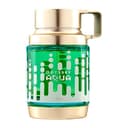
So the rule of thumb: spend down on warm wood, spend up on dry wood. If your budget is the whole question, our best cologne under $50 list runs the cost-per-spray math across the value market, and the Armaf house guideuntangles which of that brand’s near-identically-named bottles is which.
How to wear a woody fragrance
Woody scents are the easiest family to over-apply, because the heavy base notes take twenty minutes to fully open. What smells restrained on the way out of the door can be a great deal less restrained by the time you arrive. Two to three sprays is the working range for everything on this page, and two is right for the Tom Ford.
They also reward skin over fabric more than most families do. Wood and resin notes interact with skin warmth in a way that citrus does not, and the same bottle can smell noticeably different on two people. Our application guide covers pulse points and spray counts, and how to make cologne last longer covers why dry skin sheds these fragrances faster than moisturized skin does.
Where woody fits in a small collection
If you own three fragrances, a woody one is almost always the right third bottle — a fresh scent for daytime and heat, something warm or sweet for cold weather, and a woody one for anything that calls for looking like you made an effort. It is the most occasion-flexible family after fresh, and by some distance the most formal.
If you are not sure which sub-family you are, do not blind-buy. Four of the profiles above are far enough apart that liking one tells you almost nothing about the others, and a sample set costs less than the shipping on a returned bottle. Our signature scent guide covers the four-week method for working out which one you keep reaching for.
The family next door is leather, and it is the one most woody wearers move to next: the dryness is the same, but the material is built rather than extracted, which is why the shelf is so short. Best leather colognes covers the five bottles that publish leather or suede, split into the soft suedes and the tannery-raw ones.