The four kinds of fresh
Work out which of these you mean before you buy anything. It is the single highest-value thing you can do in this family, because the four profiles below are genuinely different scents that share a marketing word.
Aquatic and marine
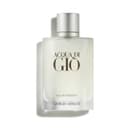
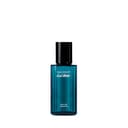
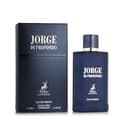
Salt, ozone, wet stone. The accords that make a fragrance smell like air near water rather than like water itself — calone and its relatives, first used at scale in Cool Water in 1988 and then in Acqua di Gio in 1996, which is why those two bottles are on this list despite being decades old. Jorge Di Profondo is the modern budget entry: saltier and more mineral than either.
Citrus
Lemon, bergamot, grapefruit, mandarin. The oldest idea in perfumery and the most immediately likeable. The problem is structural: citrus oils are the most volatile materials in the business, and an unsupported citrus scent can be over in ninety minutes. The ones that last, like El Cielo, prop the citrus up with amber, cedar or musk underneath.
Green and aromatic
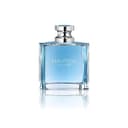
Cut stems, herbs, mint, lavender, rosemary. Cooler and drier than citrus, more “outdoors” than aquatic. Nautica Voyage is the cheapest well-made example on the market and Cool Water is the reference — both lean on mint and green apple to do the work. This is the sub-genre that reads youngest, for better and worse.
Fresh-fruity and fresh-spicy
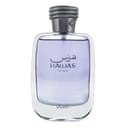
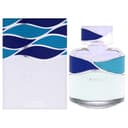
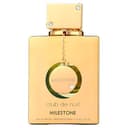
The modern hybrid. A fresh structure with fruit or spice layered in to give it body: pineapple in the Club de Nuit line, apple and cinnamon in Hawas, mint and apple in Blue Sapphire. This is where most of the interesting cheap fragrances of the last five years live, and it is the sub-genre with the best performance of the four.
The longevity problem, and how to get around it
Fresh fragrances underperform, and the reason is chemistry rather than quality. Citrus, marine and green notes are made of small, light molecules that evaporate quickly. Heavy resins and woods do not. A gourmand that lasts nine hours and a citrus cologne that lasts three can be built to identical standards.
There are three real fixes. First, buy the concentration up: an eau de parfum has meaningfully more oil in it than an eau de toilette, which is why five of the eight picks here are EDPs and why they are also the five that report the longest wear. Our concentrations guide has the oil percentages. Second, choose a fresh fragrance with a real base — ambroxan, cedar, musk or amber under the citrus. Third, apply to moisturized skin, which holds fragrance dramatically better than dry skin, and accept that a lunchtime reapplication is normal for anything in the lightest bracket. Our longevity guide covers all three properly, and if wear time is your top priority the longest-lasting colognes list is ranked on it directly.
How we chose these picks
1. Coverage across all four sub-genres
A list of eight aquatics would be useless to the person who wants a green scent. Each sub-genre above has at least one pick, and the awards say which is which so you can skip straight to your lane.
2. A base that supports the top notes
Every pick here has something structural under the fresh accord. Nautica Voyage has cedar, musk and amber. El Cielo has cedar, amber and vanilla. Hawas has ambergris, driftwood and patchouli. That is not a coincidence — it is the difference between a scent you notice all day and one you notice for an hour.
3. Price spread, because fresh is where cheap works
This is the one family where a twenty-dollar bottle is genuinely competitive with a hundred-dollar one. Fresh accords are largely synthetic, the good synthetics are not expensive, and the value houses have got very good at them. Four of the eight picks sit in the cheapest bracket on this site.
What to spend
Less than you think. Fresh is the family where the gap between budget and designer is narrowest, and it is where we would tell almost anyone to start — a cheap, well-made fresh fragrance is the least risky purchase in the hobby. Our best cologne under $50 list runs the cost-per-spray math, and the beginner picks lean heavily on this family for exactly that reason.
Spend up only for a specific reason: the polish of the Armani, the mineral texture of a modern Prada, or a marine accord you have actually smelled and cannot find cheaper. Do not spend up expecting better longevity — within this family, price predicts it poorly and concentration predicts it well.
When fresh is the wrong answer
Two situations. In genuine cold, most fresh fragrances effectively vanish: cold air suppresses evaporation, and a scent built from volatile top notes has little left to project. That is what the winter roundupexists for. And on a formal evening, fresh reads as casual — not badly, just as though you did not change for dinner. A woody fragrance is the standard answer there.
Everywhere else — office, daytime, hot weather, travel, meeting anyone’s parents — fresh is the safest family there is, and that is precisely why so many men own three of them without meaning to.
If it is the citrus you are after
Several picks on this page are built on bergamot, and if that specific note is what you came for rather than “clean” in general, there is a narrower list for it. Our best bergamot colognes page separates the bottles where bergamot is the actual subject from the far larger number where it is a fifteen-minute opening over something else entirely.
And if the two cheap classics on this page are the shortlist you have arrived at, they are less alike than their price band suggests: Davidoff Cool Water and Nautica Voyage share only cedar and musk, and everything that gives either one its character — mint and rosemary on one side, green apple and water lotus on the other — belongs to just one of them. Our Nautica Voyage vs Cool Water comparison works through the decision.