Fragrance Guides
Plain-English fragrance basics — cologne vs perfume, how to apply it so it lasts, and how to read a note pyramid. The stuff nobody explains before you spend the money.
Fragrance has a jargon problem. Bottles are labeled with terms that sound technical — eau de parfum, eau de toilette, top notes, sillage — and nobody explains any of it before you’re standing at the counter deciding whether to spend $90. These guides fix that. They’re the plain-English basics we wish someone had handed us when we started: what the words mean, how to wear a scent so it actually lasts, and how to read a note list well enough to predict whether you’ll like something.
Start with cologne vs perfume vs EDT vs EDP. It’s the single most useful thing to understand, because those four labels aren’t four different products — they’re the same thing at different strengths, and knowing the difference changes what you buy and what you pay. There’s a one-glance concentration table that answers the question in about ten seconds.
Then there’s the technique nobody teaches. How to apply colognecovers where to spray, how many sprays, and the wrist-rubbing habit that’s quietly killing your fragrance — laid out as simple numbered steps. How to make cologne last longer goes deeper on the reasons a scent fades by lunch and the fixes that genuinely work, most of which cost nothing.
Finally, fragrance notes explained teaches you to read the pyramid — top, heart and base — and the main scent families, so a note list stops being marketing poetry and starts being a genuinely useful prediction of what a bottle will smell like on your skin.
From there the guides split two ways. On the vocabulary side, fragrance concentrationsis the practical follow-up to the pillar — the published oil percentages, how many sprays each label needs, and why the same name at two strengths is usually two different scents. Scent families explained covers the four groupings that organize every counter, and the four-week method for working out which one is yours.
On the “what even is this product” side, three comparisons clear up the rest of the bathroom cabinet: cologne vs body spray, cologne vs aftershave and cologne vs deodorant— including the unscented-deodorant fix that is the single most overlooked reason a good fragrance never smells the way it did in the shop. And before you buy anything expensive from a marketplace, how to spot fake cologne runs the seller, batch-code, packaging and atomizer checks that catch most counterfeits.
Four more guides handle the questions that come up once you own a bottle rather than before. How to find your signature scent is a four-week method for working out what you actually like instead of buying whatever a shop assistant sprayed on you. Does cologne expire?covers shelf life and the storage mistakes that quietly kill a bottle — the bathroom being the worst of them. Fragrance layering explains which combinations hold together, which turn to mud, and why most people should not bother. And where to buy cologne compares department stores, discounters, marketplaces and decant sellers on price, authenticity risk and freshness, including how to read a discount that looks too good.
Four more guides answer the questions people ask after they have bought something. Why can’t I smell my own cologne? explains nose blindness, which is the real reason behind almost every case of somebody wearing far too much. Sillage, projection and longevity separates three words that get used interchangeably and should not be. Why is cologne so expensive? breaks a designer price into its parts and shows how much of it is not the liquid. And how to test cologne before you buy covers why paper strips mislead, how many scents you can honestly assess at once, and the four-day trial that prevents bad blind buys.
These pages are top-of-funnel on purpose: understand the basics here, then head to the best cologne roundups or a sample setto put the knowledge to work. Everything is sourced — the concentration figures come from real manufacturer references, not our imagination — and nothing here is trying to sell you a specific bottle. It’s just the groundwork that makes the buying decisions easier. If you would rather see everything at once, the site index lists every page here on one screen.
Everything in Guides
Cologne vs Perfume vs EDT vs EDP
What the concentrations actually mean — parfum, EDP, EDT and cologne — in one comparison table, with what to buy for the money.
How to Apply Cologne (So It Lasts)
Pulse points, how many sprays, and the wrist-rubbing myth — the technique that makes a scent last, in a numbered list.
How to Make Cologne Last Longer
Why your cologne fades by lunch and the fixes that actually work — moisturizing, placement, concentration and storage.
Fragrance Notes Explained
Top, heart and base notes, and the main scent families — how to read a note pyramid so you can predict whether you'll like a scent.
Fragrance Concentrations: Parfum, EDP, EDT & EDC
The oil percentages behind the labels, what each one costs per hour of wear, and the one case where the weaker concentration is the better buy.
Scent Families Explained
Fresh, woody, ambery and fougère — the four families that organize every fragrance counter, and how knowing yours stops you wasting money.
Cologne vs Body Spray
Why body spray disappears by second period and cologne doesn't — the concentration gap, the cost-per-wear math, and when body spray is genuinely the right call.
Cologne vs Aftershave
Aftershave is skincare that happens to smell nice; cologne is fragrance. What each is for, why the splash stings, and whether to wear both at once.
Cologne vs Deodorant
One stops you smelling bad, the other makes you smell good — they are not substitutes. How to layer them without ending up with a scent clash.
How to Spot Fake Cologne
Counterfeit fragrance is a real problem on marketplaces. The batch code, cellophane, atomizer and price checks that catch most fakes before you wear one.
How to Find Your Signature Scent
A four-week method for working out what you actually like, instead of buying whatever the shop assistant sprayed on you. Costs less than one bad blind buy.
Does Cologne Expire?
Yes, but slowly, and heat matters far more than time. How to tell when a bottle has turned, and the storage rules that add years to one.
Fragrance Layering, Explained
Combining two scents on purpose rather than by accident — the pairings that work, the ones that turn to mud, and why most people should not bother.
Where to Buy Cologne (Without Getting Burned)
Department store, discounter, marketplace or decant site — what each one is good for, where the fakes live, and how to read a price that looks too good.
Why Can't I Smell My Own Cologne?
Almost always nose blindness, almost never a weak bottle. How to check whether your fragrance has actually faded — and why the fix is not more sprays.
Sillage, Projection & Longevity, Explained
Three words used for three different things, and confusing them is why people buy the wrong bottle. What each measures, and which one you actually care about.
Why Is Cologne So Expensive?
Very little of what you pay is the liquid. Where the money actually goes, which parts of the price are real, and how the value market undercuts it.
How to Test Cologne Before You Buy
Paper strips lie, three scents at once is your limit, and the coffee beans do nothing. The method that tells you whether you will still like it on day four.
Our top pick
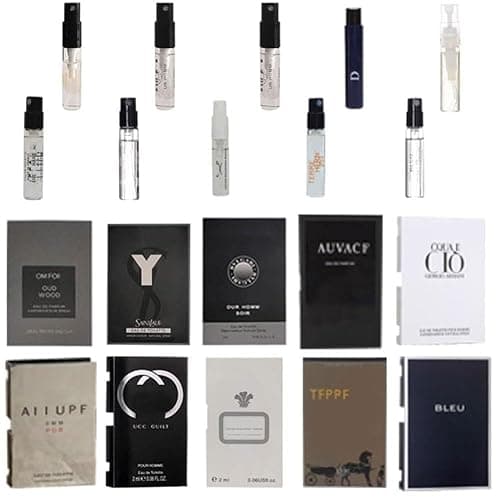
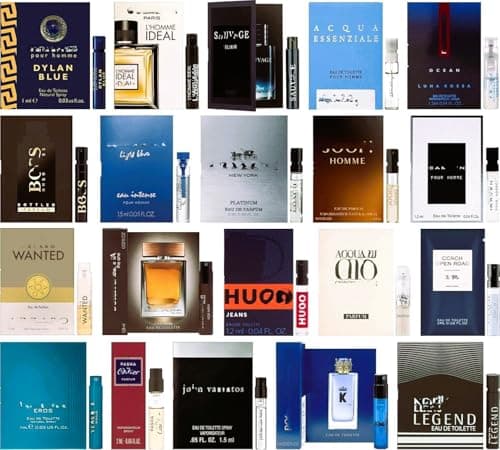
Sampler Set 10 Designer Fragrance Vials
$26.99 · View on AmazonPrice as of October 19, 2026. #ad How we’re funded
Niche vs Designer Fragrance
What the two words actually mean, where the line blurs, and the cheap way to find out whether niche is worth the money to your nose before you pay for a bottle.
Our top pick
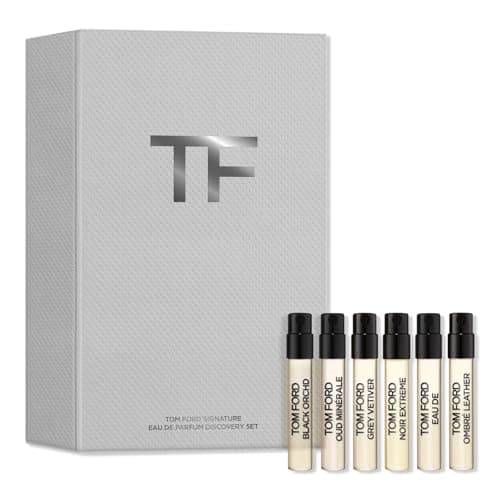
Tom Ford Signature Fragrance Discovery Set (6 samples)
$79.98 · View on AmazonPrice as of October 19, 2026. #ad How we’re funded
How Many Colognes Should a Man Own?
One is fine, three covers almost everything, and past five you are collecting. The three-bottle rotation that covers work, heat and cold, and how to choose it.
Our top pick
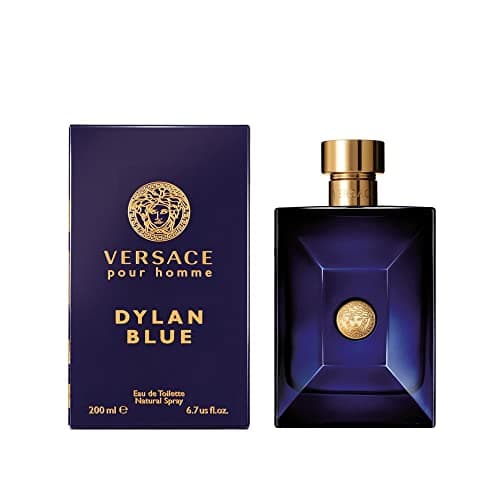
Versace Dylan Blue Eau de Toilette
How Much Should You Spend on Cologne?
What each price tier actually buys — from a value-house bottle to a niche flagship — where the extra money goes, and the point past which it stops changing the smell.
Our top pick
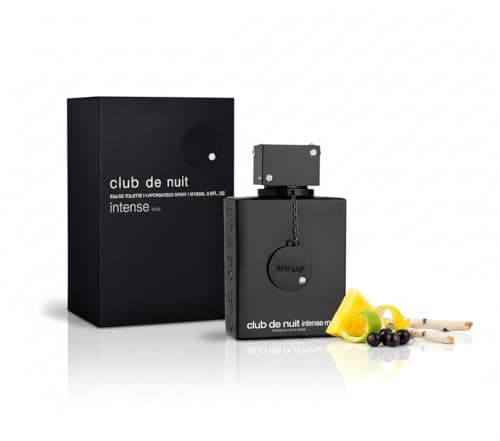
Armaf Club de Nuit Intense Man
Why Cologne Smells Different on You
Skin pH, sebum, diet and dry air all change what comes off your arm — which is why a bottle recommended to you can smell wrong, and why testing on paper proves nothing.
Our top pick
Sampler Set 10 Designer Fragrance Vials
$26.99 · View on AmazonPrice as of October 19, 2026. #ad How we’re funded
How Long Does a Bottle of Cologne Last?
The spray math nobody does before buying: how many wears are in 50, 100 and 200 ml, what that costs per day, and which bottle size is actually the right one for you.
Our top pick
Armaf Club de Nuit Intense Man
How to Store Cologne
Heat, light and air are what actually kill a fragrance — not time. Where a bottle should live, the two places it should never, and how to travel with it.
Our top pick
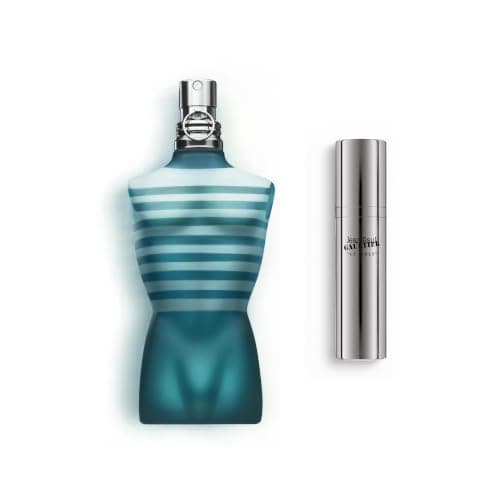
Jean Paul Gaultier Le Male Eau de Toilette Full & Travel Duo
$167.00 · View on AmazonPrice as of October 19, 2026. #ad How we’re funded
Is Cologne Safe?
What is actually in the bottle, what the FDA does and does not regulate, who reacts and why — and the one word on the label that explains why you cannot check for yourself.
Our top pick
Sampler Set 8 Designer Cologne Samples
$21.95 · View on AmazonPrice as of October 19, 2026. #ad How we’re funded
What Was the First Cologne?
It was a medicine, it was named after a house number, and it is still on sale — the story of eau de cologne, and why the word now means three different things.
Our top pick
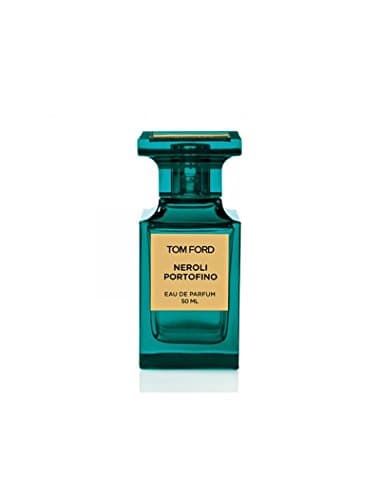
Tom Ford Neroli Portofino Eau de Parfum
What Is Ambroxan?
It replaced a material scraped off beaches, it has been in production since 1950, and it is in six of the bottles on this site. If modern fresh fragrance smells like one thing to you, this is it.
Our top pick
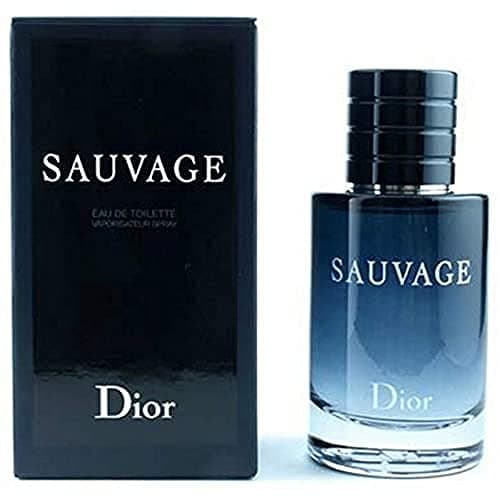
Dior Sauvage Eau de Toilette
$132.98 · View on AmazonPrice as of October 19, 2026. #ad How we’re funded
Where to Read Fragrance Reviews You Can Trust
Every source of cologne reviews has an incentive, including this one. What each kind of site is good for, what it gets wrong, and the three claims to distrust everywhere.
Our top pick
Sampler Set 10 Designer Fragrance Vials
$26.99 · View on AmazonPrice as of October 19, 2026. #ad How we’re funded
Cologne Bottle Sizes: Which One to Buy
30, 50, 100 or 125 ml — what each size holds in sprays, how to compare cost per milliliter, and the one size that still clears airport security.
Our top pick
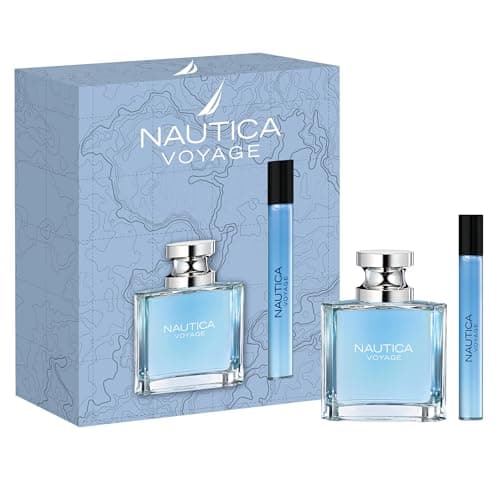
Nautica Voyage 2-Piece Gift Set (3.2 oz + 0.33 oz EDT)
$24.99 · View on AmazonPrice as of October 19, 2026. #ad How we’re funded
Are Fragrance Discounters Legit?
Why the discount sites are so much cheaper, what an unboxed or tester bottle actually is, what '80% off retail' is measured against, and the four things that genuinely go wrong.
Our top pick
Armaf Club de Nuit Intense Man