How we chose these spring picks
Four things separated the shortlist from the long list, and they are worth understanding because they will also tell you whether a bottle you already own is a spring bottle.
1. A green, herbal or citrus opening — not a sweet one
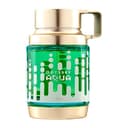
The single most reliable predictor of whether a fragrance suits spring is what happens in the first fifteen minutes. Bergamot, grapefruit, sage, vetiver, pink pepper and green apple all read as fresh air. Praline, dates, cinnamon and rum do not. This one filter removed most of the value-house catalog, which skews heavily sweet — and it is why the picks that came from that market on this list, Fakhar and Odyssey Aqua, are the fresh outliers rather than the houses’ famous gourmands.
2. A dry-down with wood in it, not just amber
Cool air kills projection. A fragrance that sits on ambroxan and white musk alone — the standard summer structure — disappears in a spring breeze within two hours. What survives is a base with actual woody material: cedar, vetiver, patchouli, cashmeran. It gives the scent something to hold on to when the temperature drops in the evening, which in spring it always does.
3. Moderate concentration, deliberately
This is the one category where we do not automatically favor the higher concentration. An eau de toilette that dies at 3pm is a problem; an eau de parfum that is still shouting at 9pm on a mild evening is also a problem. Most of the list is eau de parfum applied conservatively, and two picks are deliberately eau de toilette. Our concentrations guide explains what the labels actually mean in oil percentage.
4. It has to work across a 25-degree day
Spring’s defining feature is the temperature swing. A March morning at 45 degrees and a March afternoon at 70 are two different wearing environments, and a fragrance that only works at one of them is a bad spring purchase. Everything here holds its shape across that range — which usually means moderate projection and a base that neither disappears in the cold nor turns cloying in the sun.
The three spring lanes
“Spring fragrance” covers three distinct directions. Deciding which one you want before you look at bottles will save you from buying something that is perfectly good and not what you wanted.
Green and aromatic
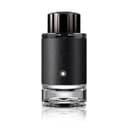
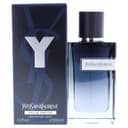
Sage, vetiver, cypress, green apple, crushed leaves. This is the most explicitly seasonal lane and the one Montblanc Explorer and YSL Y sit in. It reads outdoors-in-March: slightly bitter, slightly damp, clean without being soapy. If you want a fragrance that actually smells like the season rather than a generic freshie, this is where to look.
Light aquatic and citrus
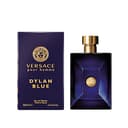
The summer vocabulary, dialed down. Dylan Blue and Odyssey Aqua live here. It is the safest lane — nobody has ever disliked a clean citrus-marine scent — and the least interesting, which is the trade. If your spring is warm and you commute, this is the practical choice, and the same reasoning carries most of these bottles onto our summer roundup as the weather climbs.
Dry woody and mineral
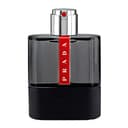
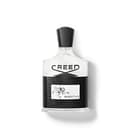
The grown-up option: Luna Rossa Carbon’s metallic mineral facet, Aventus’s smoky birch under the pineapple. These are spring fragrances for cool, gray days and for people who find the green-and-citrus lane too bright. They also stretch furthest into autumn, which makes them the best value of the three lanes if you only want one transitional bottle.
What to spend, and where the money goes
More than any other season, spring rewards spending less. The profile it wants — fresh, green, citrus, lightly woody — is the cheapest kind of fragrance to make well, which is why two of the seven picks here cost less than a takeout dinner and hold their own against designers five times the price. Lattafa Fakhar and Armaf Odyssey Aqua are both eau de parfum concentration in the fresh lane, and the value market has been competing hard on exactly that profile for years.
Spend up when you want something the value market has not copied. That means Luna Rossa Carbon’s mineral facet — our Prada Luna Rossa Carbon review covers why nobody has cloned it — or the smoky birch-and-pineapple structure of Aventus, which remains genuinely distinctive despite being the most-cloned scent in the hobby — see our Aventus dupes comparison for how close the cheap versions really get. If budget is the whole question, our best under $50 list runs the cost-per-spray math across the value market.
How to wear a spring fragrance
Two rules, both about the temperature swing. First, apply for the afternoon, not the morning.Fragrance projects harder as the air warms, so the two sprays that feel perfect at 8am on a cold morning will be three sprays’ worth of projection by lunchtime. Under-applying in spring is almost always the right error to make.
Second, put it on skin, not clothing. Cool air already suppresses projection; spraying a jacket that you will take off at 11am removes the only heat source the fragrance had. Chest and the back of the neck, under a layer, is the placement that survives a day with two different temperatures in it. Our application guide covers the technique properly, and making cologne last longer explains why moisturized skin buys you hours in exactly the dry, windy conditions spring produces.
Not sure which lane is you?
This is the season where sampling pays for itself fastest, because the differences between the three lanes are subtle on paper and obvious on skin. A sample set costs less than one wrong 100 ml bottle and will tell you within a fortnight whether you are a green-aromatic person or a clean-aquatic one. If you would rather work it out systematically, our signature scent guide lays out a four-week method for doing exactly that.