How we chose these winter picks
A winter roundup is only useful if you know what it was filtered on. Four things decided this list, in this order.
1. Does the scent profile suit cold air?
Warm notes — cinnamon, tobacco, amber, vanilla, resins, dark woods, boozy and gourmand accords — hold their shape in the cold, where citrus and aquatic notes thin out and vanish. Every pick here sits in that warm family. If a bottle’s published note pyramid is mostly bergamot and marine accords, it belongs in the summer list, not this one.
2. Concentration, because winter punishes weak juice
Concentration is the single most reliable predictor of how long a scent stays on you. An eau de parfum carries roughly 15–20% fragrance oil against an eau de toilette’s 5–15%, which is why four of the seven picks below are EDP or parfum strength. It is not a rule — Le Male is an EDT and still lasts — but when two bottles smell similar, the more concentrated one is usually the better cold-weather buy. Our cologne vs perfume guide breaks down what each label on the box actually means.
3. Reported performance, labeled as reported
Longevity and projection figures on this site come from community consensus — Fragrantica and the fragrance subreddits — not from us. We own none of these bottles. Where the community is split, we say so rather than inventing a number. Every pick below clears the bar of “most wearers report it lasting a full evening or longer.”
4. Value at the price bracket, not just the price
The clone market has changed what a good winter scent costs. Two of our seven picks sit in the cheapest bracket on the site and one of them is our best-overall, because a boozy cinnamon gourmand that performs for the price of a takeaway meal is simply a better buy than a designer at five times the money that does the same job. Where a cheaper bottle wins, we say so and link it — that is the whole method on our how we rank page.
The winter lanes, and which one is yours
“Best winter cologne” splits into four distinct moods. Picking the lane first saves you from buying a bottle you admire on someone else and dislike on yourself.
Sweet gourmand
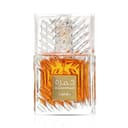
Dessert-adjacent: vanilla, dates, praline, caramel, coffee. This is the most popular winter lane right now and where the value houses are strongest — Khamrah and Asad both live here. Enormously likeable, but genuinely sweet, so if you dislike smelling edible, skip the lane entirely rather than trying to find a subtle version of it.
Spiced and smoky
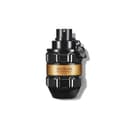
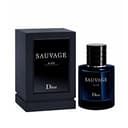
Cinnamon, pepper, saffron, tobacco, leather. Spicebomb Extreme and Sauvage Elixir are the two here, and they are the most “grown-up” winter option: warm without being a dessert. The trade-off is versatility — both are too much for a warm office, and neither is a blind buy. Our Spicebomb Extreme review covers the cumin note that decides it, and why the name misleads people into buying the wrong bottle.
Classic fougère and amber
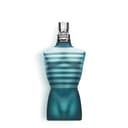
The traditional lane: lavender, vanilla, tonka, soft powder. Le Male is the archetype and it is still the easiest cold-weather designer to wear, precisely because it smells familiar and comforting rather than attention-seeking. If you want a scent your partner’s father would also approve of, this is it.
Fruity-smoky all-rounder
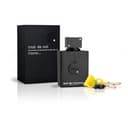
The Aventus lane — smoky pineapple and birch over a woody base — which happens to work in almost any temperature. Club de Nuit Intense Man is the pick, and it is the one bottle on this list that you can also wear to work and in spring. If you only want to own one fragrance year-round, start there, then read the Aventus dupes comparison for how close it really gets.
What to spend, honestly
You do not need a premium bottle to smell good in winter. The value houses (Lattafa, Armaf) have made the sweet-and-spicy lane the best bargain in fragrance, and two of our seven picks come in at the budget bracket while outperforming designers in reported longevity. Spend up when you want something the value market has not copied — the concentrated Sauvage Elixir and the tobacco-and-cinnamon Spicebomb Extreme both qualify. Spend down when the difference is mostly the bottle. If your budget is the deciding factor, the best cologne under $50 list runs the cost-per-spray math across the value houses.
Getting more out of a winter scent
Cold weather changes how you should apply, not just what. Dry winter skin holds fragrance poorly, so moisturize first — unscented lotion on the pulse points before you spray makes a bigger difference in January than in July. Spray on skin under a coat rather than on the coat itself, so body heat keeps releasing the scent through the day, and go one spray lighter than you think indoors: a heated room amplifies a dense scent the way summer sun does. Our guides on how to apply cologne and making cologne last longer cover the rest.
Sample before you commit
Winter scents are the most personal and the most polarizing category in fragrance. A boozy gourmand that smells luxurious on one person reads like cough syrup on another, and you cannot tell which from a note list. Wearing a few from a sample set through a genuinely cold week costs less than a single full bottle and will tell you more than any roundup, including this one.
Two heavyweights, head to head
Spicebomb Extreme is a ranked pick above, and the bottle people most often weigh it against is Tom Ford Noir Extreme. They are the same age and the same concentration and they share a saffron note, which is why they feel related — but one fills a room and the other settles close to the skin. If those are your two finalists, our comparison of the two is the page to read.
There is also a shortcut to understanding this whole list. Almost every cold-weather bottle on it is built on an amber accord — resins, vanilla and balsams — because those are the heavy, slow materials that release gradually in cold air instead of arriving all at once. Best amber colognes sorts that family into its four kinds, which is a faster way to find your winter scent than working down a seasonal list.