Suede versus tannery: the only distinction that matters
Every leather fragrance sits somewhere on one axis, and knowing where saves you from the expensive mistake in this family.
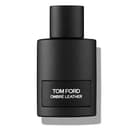
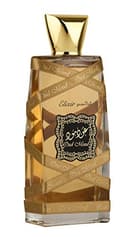
Suede leather is soft, dry, slightly powdery and close to the skin. It reads like the inside of a new jacket rather than the outside. Ombré Leather is the designer example and Oud Mood Elixir is the cheap one. This is the half of the family that works at dinner, in an office in winter and on somebody who has never worn leather before.
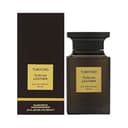
Tannery leatheris smoky, animalic and sometimes genuinely harsh — birch tar, styrax, incense. It reads like the workshop, not the garment. Tuscan Leather is the example, and it is the reason people either love this family or avoid it entirely. Nothing on the designer shelf smells like it, which is both why it costs what it does and why you should not buy it unsampled.
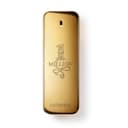
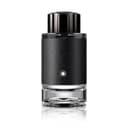
1 Million and Explorer are not really on the axis at all: both use leather as a structural material inside another kind of fragrance — a spicy crowd-pleaser and a smoky woody-chypre respectively. They are on this page because they are the two cheapest ways to find out whether you like the material in company you already understand.
Why there is no cheap leather
Four full bottles in our registry publish leather. Two are Tom Ford Private Blends, one is a 2008 designer and one is a 2019 designer. Not one of the forty-plus value-house bottles we stock publishes leather at all, and exactly one publishes suede.
That gap is the opposite of what the value market usually does. The clone houses have produced multiple interpretations of every popular designer profile we track — the fresh-fruity chypre, the amber-vanilla, the sweet gourmand, the aquatic. On the houses we rank there are more Aventus interpretations alone than there are leather fragrances of any kind in this registry.
Two observations rather than one theory. First, leather accords are built from expensive, technically demanding materials, which is a worse fit for a twenty-five-dollar bottle than a vanilla-and-tonka base is. Second, the demand is smaller: leather is the most polarizing family in men’s perfumery, and a value house optimizing for compliments has little reason to make something half the room dislikes. The same logic explains why Oud Wood has no true clone while Tobacco Vanille has several.
When to wear leather, and how much
This is a cold-weather family, and more strictly than amber or tobacco. Leather materials are heavy and smoky, and heat pushes the animalic facets forward — the exact facets most people are nervous about in the first place. Our winter list is where these bottles belong; our summer list contains none of them, and that is not an oversight.
Dose conservatively. Two sprays of Ombré Leather is a full dose, and one of Tuscan Leather is a defensible starting point — the community reports it as one of the house’s biggest projectors when it behaves. Spray to the chest rather than the neck, let it dry without rubbing, and judge it after twenty minutes rather than at the opening: leather accords change more between the first minute and the twentieth than almost anything else. Our applying guide covers the mechanics, and testing before you buy matters more in this family than in any other.
If you want to try the family properly before committing, the Tom Ford roundupcovers the signature discovery set that includes Ombré Leather as a sample — which is the cheapest legitimate route to the designer half of this page.
Prices in the buy buttons above come from our daily Amazon check and carry the date they were read. Where a bottle returns no live price you will see “check price on Amazon” rather than a number.