What actually changes after forty
Three things, and only one of them is about you. Most of them start in the decade before — if you are not quite here yet, our best colognes for men in their 30s covers the move from first bottles to a proper rotation.
The rooms change
More of your fragrance-wearing happens in offices, restaurants, cars with other people in them and events where you are expected to behave. All of those reward low projection. A scent that fills a bar is an asset at twenty-two and a liability in a Tuesday meeting, and that single fact does more to reshape a shortlist than age ever does.
The tolerance for sweetness drops
Not universally, and not because of anything biological — but most men who have worn fragrance for two decades end up drifting away from the sugar. Vanilla, praline and dates read as costume once you have worn them a few hundred times. Dry cedar and vetiver do not wear out the same way, which is why this list leans woody.
The budget usually goes up, and the buying gets worse
The most common mistake in this bracket is spending three hundred dollars in a department store on the recommendation of somebody paid to make it, because the alternative feels like homework. Two picks here cost less than a restaurant main course and are genuinely excellent. Spend the money where it buys something — the Tom Fords do, and we say exactly what for.
The three lanes worth knowing
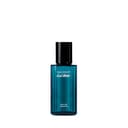
The dry aromatic (Boss Bottled, Cool Water, Bleu de Chanel)
Herbs, citrus and wood with little or no sweetness. This is the default professional register, and all three of these have been in production for decades because they do it well. Boss Bottled has an apple-and-cinnamon top that keeps it from being austere; Cool Water is the mint-and-sea-water reference; Bleu de Chanel is the polished modern version and the reason so many men over forty own exactly one bottle.
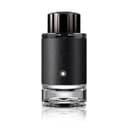
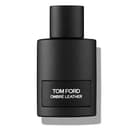
The evening woody (La Nuit de L’Homme, Explorer, Ombré Leather)
Warmer and denser, still not sweet. Cardamom and cedar, smoky vetiver, suede. These are what you wear to dinner rather than to a desk, and they are the lane where spending more actually changes the smell rather than just the bottle. Our woody roundup covers this family in much more depth.
The expensive one (Oud Wood)
Worth a paragraph of its own because it is the pick most likely to be a mistake. Tom Ford Oud Wood is a genuinely beautiful, quiet, rosewood-and-sandalwood fragrance and it costs several times what anything else here does. It projects softly, which means a proportion of buyers conclude they paid Private Blend money for something nobody notices. That is a fair complaint and it is the reason to sample before you buy — not a reason the fragrance is bad.
How we chose these picks
1. Restraint first
Every pick had to be wearable in a shared room without being the subject of the room. That removed most of the value market’s gourmands and all of the high-projection designers — excellent fragrances that belong on our night out list instead.
2. Longevity, because reapplying is not practical
A fragrance applied at 7am and expected to hold through an evening has to be eau de parfum strength or an unusually robust eau de toilette. Five picks here are EDP or stronger. Our concentrations guide explains what the label means in oil percentage, and the longest-lasting colognes list ranks purely on wear time if that is your priority.
3. Availability and stability
Reformulation is a real problem in this bracket: a bottle you loved in 2004 may not smell the same today. We have leaned toward fragrances that are widely available now and consistently reported as still good, and away from discontinued or heavily reformulated classics that will only disappoint. Where age is a factor at all, our shelf-life guide covers what happens to old stock and how to tell.
What to spend
Two hundred dollars buys you the Tom Fords and a real difference in material quality — the sandalwood in Oud Wood and the suede in Ombré Leather are not things the value market reproduces convincingly. Everything else on this list is available for well under a hundred, and two of the picks are in the cheapest bracket on this site.
The honest advice for this bracket: own two or three good bottles rather than eight adequate ones. A dry aromatic for daytime, an evening woody, and something cheap and fresh for hot weather covers essentially every situation you will encounter. Our fresh roundup handles that third slot, and the signature scent guide covers how to end up with a small collection you actually finish.
How to wear these
Less than you think, and lower than you think. Two sprays is the working number for everything on this list, applied to the chest and the base of the neck rather than to the sides of the neck — which puts the scent under a collar where it warms slowly instead of broadcasting at head height.
One genuinely age-related note: olfactory sensitivity declines gradually for most people, which means the fragrance you can barely detect on yourself may be perfectly obvious to everyone else. If you find yourself adding a fourth spray because you cannot smell it, that is almost certainly nose blindness rather than a weak bottle — our guide to why you cannot smell your own cologne explains what is happening and how to check. The application guide covers placement and spray counts properly.