The short answer
Fragrance is not killed by time. It is killed by heat, light and air, and a bottle stored badly can degrade in a year while the same bottle in a drawer is fine after five. So the whole of good storage is three sentences: keep it dark, keep it at a steady room temperature, and do not open it more than you have to.
Everything else on this page is the detail behind that, including the two places almost everyone keeps fragrance that are the worst available options.
What actually degrades a fragrance
Light
Daylight breaks down fragrance oils, which is why bottles ship in cartons and why many of them are tinted glass. A bottle on a sunlit windowsill or an open shelf by a window is the single fastest way to lose a fragrance you paid for. This is also the one factor you can eliminate completely and for free, by closing a drawer.
Temperature — and especially temperature swings
Heat accelerates every chemical process in the bottle. What is less obvious, and what the fragrance community consistently reports as the real culprit, is cycling: repeatedly warming and cooling a liquid stresses it more than keeping it somewhere consistently a few degrees too warm. That single fact is why the bathroom is worse than a warm bedroom, and it is the most useful thing on this page.
Air
Oxygen oxidises the aromatic materials, and the top notes — the light, volatile citrus and green materials — are the first casualties. Every time you use a bottle, a little air replaces the liquid you sprayed, which is why a half-empty bottle ages faster than a full one and why an unopened bottle keeps for years. It is also the reason to leave the atomizer alone when you are not wearing it, and the reason decanting carries a cost.
Humidity
The smallest of the four, and relevant mostly because it travels with the others. Damp air can affect the cap, the crimp and the label over time, and a steamy room is almost always also a temperature-cycling room. Dry is better than damp; the reason to care is that it usually comes bundled with the real problems.
The two worst places, and why
The bathroom
This is where most people keep cologne, because that is where they get dressed, and it is the worst room in the house for it. A bathroom goes hot and humid during a shower and back to cool and dry afterwards, often several times a day, which is exactly the cycling that does the most damage. A closed bathroom cabinet is a meaningful improvement over an open shelf because it buffers both the light and some of the swing. A bedroom drawer is better than either.
The car
A parked car in summer gets hotter than anywhere in your home, and a bottle in a glovebox or a door pocket also takes direct sun through glass. A fragrance left in a car over a summer is being actively cooked. If you want a scent available during the day, carry a small sealed travel spray with you and take it indoors.
Where to put it instead
- A bedroom drawer or a wardrobe shelf. Dark, dry, and the most temperature-stable spot in a typical home. This is the whole answer for most people.
- A closed cupboard away from a radiator or a vent. Stable is what matters more than cool — a consistent warm room beats a cold room next to a heating duct that fires twice an hour.
- In the box, if you keep bottles out on display. If you like having them visible, accept that you are trading some longevity for it and keep the display out of direct sun. The box is the compromise.
- Upright, always.It keeps the liquid off the crimp and the pump’s plastic components, and it means a loose cap does not become a leak.
The fridge question
It comes up constantly and the honest answer is that you do not need to, and the community is split on whether it helps. Cold does slow oxidation. But a domestic fridge is opened dozens of times a day, it is humid, and taking a cold bottle into a warm room produces condensation — so unless you leave the bottle in there permanently, you have swapped a stable environment for a cycling one. That is the opposite of the goal.
A dedicated wine or beauty fridge held at a constant temperature is a different proposition and does work, but it is a collector’s solution to a problem that a dark cupboard already solves. If you are storing a backup bottle of something discontinued, leave it sealed in its box in a cupboard and it will outlast your interest in it.
Travelling with fragrance
Three rules, in order of how much they matter. First, do not check a full bottle if you can avoid it — hold luggage is subject to both pressure and temperature extremes, and glass in a suitcase is a bad bet anyway. Second, prefer a factory-filled travel spray over a decant, because a sealed small bottle has no air history and a seal you can trust. Third, take it out of the car at the other end.
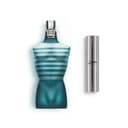
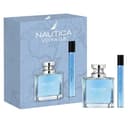
The practical consequence is that the best way to own an expensive fragrance is often to own it twice: the full bottle in a dark cupboard, and a small sealed spray that actually travels. That is why the picks below are the sets that come configured that way, rather than a storage accessory we would have to pretend is a fragrance recommendation.