What designer money actually buys
It is worth being precise about this, because “you’re just paying for marketing” is only two-thirds true.
Development, not just projection
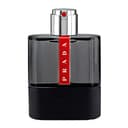
The clearest difference between the bottles on this page and the bottles on our under $25 list is what happens in hour two. Prada Luna Rossa Carbon is the best illustration: Prada publishes it as a modern fougère with green Italian bergamot and pepper up top, a lavender heart carrying metallic and mineral facets, then a dry ambroxan-and-patchouli base. That mineral twist in the middle is a compositional choice, and it is the reason the bottle does not sound like every other clean office fragrance. A value house building to a price point does not spend money on a facet that only shows up forty minutes in.
A manageable opening
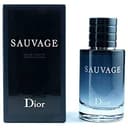
Almost every clone write-up on this site carries the same caveat: the first ten minutes are the tell. Sharp, synthetic, a little harsh. The designers on this page mostly do not have that problem, and Sauvage is the extreme case — its own entry notes that it is “almost impossible to over-apply into something offensive.” If you are buying a fragrance you will wear to work, in a car, and around other people, the opening is the part you live with most often.
A name, and what it is worth
This is the part that is genuinely about marketing, and we would not pretend otherwise. But it is not worth nothing: there is a reason Boss Bottled is the standard gift for a man who does not shop for fragrance, and it is not the apple note. If a bottle is going to sit on a shelf where other people see it, or be handed over wrapped, the label is part of what you are buying. Our why cologne is so expensive guide breaks the actual cost structure down.
Which designers are coasting
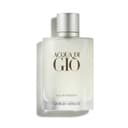
Two of the picks above are on this list despite being past their best, and it would be dishonest to rank them without saying so. Acqua di Gio is nearly thirty years old, reports five to six hours, and is the definition of a safe blind buy — genuinely excellent in heat, genuinely unexciting everywhere else. Cool Water is forty years old and reports four to six. Both are here because they do a specific job cheaply and nothing has replaced them at the price; neither is here because the brand is prestigious.
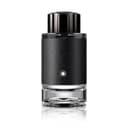
The reverse case is Montblanc Explorer, which is the value argument inside the designer bracket: an eau de parfum with a smoky bergamot-and-vetiver character, reported past eight hours, and frequently discounted well under list. Its own honest weakness is that the opening leans generically fresh — you are buying performance and a decent base, not originality. If you want to see how it compares against the bottle people most often cross-shop it with, we put Explorer against Aventus directly.
The Chanel problem, stated plainly
Bleu de Chanel is on this list because leaving it off would be absurd — it is the other default alongside Sauvage, dry and smoky where Sauvage is bright, and the eau de parfum is the most wear-anywhere fragrance Chanel makes. But Chanel does not authorize Amazon sales, so there is no clean listing for us to read a live price from, and its button below will say “check price” rather than a number. That is the honest state of it, not an oversight. It also means the Amazon listings you willfind for it are gray-market, where counterfeits circulate — our guide to spotting fake cologne covers what to check, and where to buy cologne covers the retailers we would actually use for it. Because we cannot price it, it is not the top pick on this page. We do not rank a bottle first when we cannot tell you what it costs today.
When to buy the clone instead
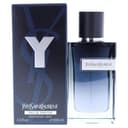
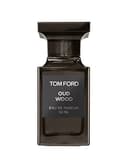
Three times, specifically. First, when you are not sure you like the profile: a $25 bottle in the right lane is a better test than a $100 blind buy, and our clone houses rankedpage explains which house to trust for which designer. Second, when longevity is the whole requirement — several value-house eau de parfums out-report the eau de toilettes on this page, and that is chemistry, not loyalty. Third, when the designer in question is one the clone market has genuinely cracked: Armaf Club de Nuit Intense Man against Creed, Lattafa Fakhar Black against YSL Y, Maison Alhambra Jorge Di Profumo against Acqua di Gio Profumo. For everything else — Oud Wood and Luna Rossa Carbon are the clearest examples — the clone market has not produced a convincing answer, and the designer is the only way to get the smell. Our are cologne dupes worth it? guide lays out all four trade-offs.
Where to go from here
If your ceiling is a hundred dollars, the best cologne under $100 is this page filtered by price, and five of the bottles above qualify. If you can spend more, the best cologne under $200covers the bracket where Tom Ford’s Signature line and the parfum concentrations live, and the best niche fragrances cover what exists above designer entirely. If you are new to all of this, start with the beginner picks and a designer discovery set, which gets you eight of these profiles for less than one bottle.