There is no correct amount to spend on cologne, but there is a point of diminishing returns, and it arrives sooner than the prices suggest. For a first bottle, spend under $100 — a designer eau de toilette, or one or two value-house bottles under $50 — and put a little of that into samples first. For a considered upgrade, $100 to $200 buys a designer eau de parfum or flagship bottle, and that is where most men should stop. Above $200 you are paying for specific materials and a name, which is worth it to some people and a poor use of money for most.
The rest of this guide explains the tiers, what each one actually buys and what it does not, and how to tell when spending more changes the smell rather than just the box. The picks at the end are one bottle per tier, chosen to show what the ceiling of each tier looks like.
The four price tiers
Cologne prices cluster into four rough bands. These are generic bands, not quotes — individual bottles move in and out of them from week to week.
Under $50: the value houses
Armaf, Lattafa, Rasasi, Afnan and Maison Alhambra sell most of their full bottles in this band, often at eau de parfum strength. They skip the celebrity campaign, the fashion license and the department-store margin, and many of their bottles are built in the same lanes as the designers or modeled on specific ones. What you buy is performance and variety. What you give up is a smoother opening, a more developed dry-down, batch-to-batch consistency and the name.
Roughly $50 to $100: designer eaux de toilette and gift sets
The band where a recognizable designer name becomes affordable, usually as the eau de toilette version of a popular fragrance or as a boxed gift set built around travel sizes. What you buy is a composition developed by a large house, a more polished opening and consistent batches. What you often give up is concentration: plenty of designer eaux de toilette cost more than value-house eaux de parfum.
Roughly $100 to $200: designer eaux de parfum and flagships
The eau de parfum versions of the popular designers, plus each house’s flagship bottles. What you buy is usually longer wear than the same fragrance’s eau de toilette and a fuller dry-down. What you do not buy is a jump in quality as large as the jump in price.
$200 and well beyond: niche and private lines
Creed, Tom Ford’s Private Blend line and the independent houses. In the best cases you are buying better natural materials — real sandalwood, convincing leather, genuine agarwood — and compositions that are not trying to please everybody. You are also buying the name, the bottle and the exclusivity — and a high price is no guarantee of consistency, as Creed Aventus’s reported batch-to-batch variation shows.
Concentration is not quality
The most common assumption about price is that a more expensive bottle contains more fragrance oil. Often the reverse is true. An eau de parfum typically carries around 15 to 20 percent fragrance oil and an eau de toilette roughly 5 to 15 percent, depending on the source, and that label is printed on bottles at every price. Concentration predicts how long a fragrance lasts; price predicts positioning, packaging and, at the top, materials. Our concentrations guide has the full breakdown, and why cologne is so expensive covers where the rest of a designer price goes — mostly retail margin, marketing, licensing and the bottle, with the liquid a modest share of the total.
Where the returns diminish
The step from the first tier to the second buys the most noticeable change: a name, a smoother opening and consistent batches. The step from the second to the third mostly buys concentration and a fuller dry-down of fragrances you could already afford as an eau de toilette. Above that, the change is in materials and in how the fragrance develops over hours, which some noses notice immediately and many never do.
What money does not reliably buy at any tier is longevity, projection or versatility. A value-house eau de parfum can outlast a designer that costs far more; heavy amber and sweet materials project regardless of price; and a well-made fresh scent is versatile whatever it cost. If those are the things you want, spend on concentration and scent family rather than on the tier.
Cost per wear, not cost per bottle
The sticker price is the wrong number to compare. The useful one is what each wear costs: the bottle price divided by the number of times you will actually wear it before it runs out or you tire of it. A bottle you reach for most mornings for years costs less per wear than a cheap one you wear twice and abandon.
That is the honest argument for spending more on the one bottle you wear daily, and the honest argument against spending more on a statement scent you will wear a handful of times a year. The same logic applies when comparing two bottles: think in cost per ml rather than the figure on the shelf, because a big bottle you use every day is better value than a small, prestigious one you ration.
Samples first: the best money in fragrance
The most expensive mistake in fragrance is not overpaying. It is buying a full bottle you never finish. A sample set costs a fraction of a single designer bottle and lets you wear several fragrances on your own skin for a full day each before spending real money. Whatever tier you end up in, spend on samples first — our best cologne sample sets page ranks the options, and house discovery sets do the same job at the expensive end.
Where the fakes live
Price tiers also tell you where counterfeits cluster. The risk is highest with famous, expensive designers and niche bottles sold through marketplaces, because that is where a fake pays the most. Ordinary discounts on designer fragrance are real and legitimate. The warning sign is a premium bottle priced far below every other seller at once — an outlier, not a discount. A designer or niche bottle at a value-house price is not a bargain. Our guides to spotting fake cologne and where to buy cologne cover the physical checks and which channels are safe at which price.
The picks: one per tier
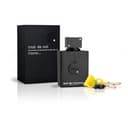
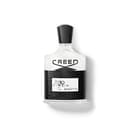
Each pick below shows the ceiling of its tier, and the first and last make the diminishing-returns point on their own. Armaf Club de Nuit Intense Man is a clone, community-reported to land close to Creed Aventus — a reported likeness, not an identical smell — with even bigger reported wear time. Aventus is the reference the entire Aventus-clone category is measured against. What separates them is a rougher opening and less smoke in the dry-down on the clone’s side, and the name on the original’s — not performance.
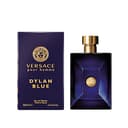
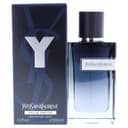
In between, Versace Dylan Blue is a versatile designer eau de toilette that works in daylight and holds up at night. YSL Y Eau de Parfum shows what the step up to the third tier looks like: a designer eau de parfum with an apple-and-sage opening over a sage-and-amberwood base, and a community-reported seven to nine hours.
In our September 17, 2026 price check, Club de Nuit Intense Man was listed under $50, Dylan Blue between $50 and $100, Y Eau de Parfum between $100 and $200, and Aventus above $200. Prices move, so each button shows the live, dated figure. For the background behind any of this, there is more in our fragrance guides.