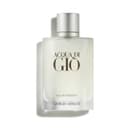
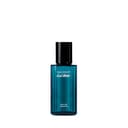
Side by side
Here is how they line up. Notes are the published key notes; longevity is what the community reports for each, not our own measurement.
| Acqua di Gio (EDT) | Davidoff Cool Water (EDT) |
|---|
| Launched | 1996 | 1988 |
|---|
| Concentration | Eau de Toilette | Eau de Toilette |
|---|
| Scent family | Aquatic | Aromatic aquatic |
|---|
| Key notes | Marine notes, bergamot, neroli, jasmine, patchouli, cedar | Sea water, mint, lavender, rosemary, coriander, sandalwood, musk, cedar |
|---|
| Character | Salty citrus, smooth, transparent | Minty, herbal, bracing, slightly soapy |
|---|
| Reported longevity | 5-6 hours (community-reported) | 4-6 hours (community-reported) |
|---|
| Best season | Summer and hot weather | Summer and serious heat |
|---|
| Best occasion | Daytime anywhere, summer dates, work in the heat | Office, gym bag, anywhere you need to be inoffensive |
|---|
| Reads as | More modern, but extremely common | Classic; dated to some noses |
|---|
| Price band | Above $100 on September 17, 2026 | $50–$100 on September 17, 2026 |
|---|
The history, briefly
Pierre Bourdon’s Cool Water launched in 1988 and set the template for the fresh, marine, herbal cologne. Acqua di Gio followed in 1996. Our verdict on Cool Water puts the relationship plainly: every aquatic on this site, Acqua di Gio included, is downstream of it. The simplest way to hold that in your head is that Cool Water established the idea and Acqua di Gio refined it into the default, which is why both sit on our all-time classics list.
That history is interesting, but the buying decision comes down to how each smells today and what you want to spend.
How they open and dry down
Acqua di Gio: salt and citrus, then soft florals and wood
Acqua di Gio opens on a salty marine accord lifted by bergamot and neroli — breezy, clean, the smell of skin after a swim. It dries down onto light jasmine, a trace of patchouli and cedar, all of it transparent. Nothing in it is sweet, spicy or heavy. The neroli and jasmine are what make it the smoother of the two: they round off the edges, so the whole thing reads effortless rather than bracing.
Cool Water: mint and herbs, then soft musk
Cool Water opens colder and sharper: sea water and mint, a genuinely bracing, almost mineral blast. It moves quickly into the herbal heart — lavender, rosemary and coriander — which is where the barbershop feel comes from; it turns slightly soapy, like a well-made shaving product. The base is soft sandalwood, musk and cedar, understated and more a landing place than an event.
The difference in one line
Acqua di Gio is citrus-and-salt freshness; Cool Water is mint-and-herb freshness. Both are cool rather than warm, and neither leans on sweetness, which is exactly what separates both of them from the ambroxan-heavy freshies of the last decade.
Performance: plan to reapply either way
This is where the two are most alike. The community reports five to six hours for Acqua di Gio and four to six for Cool Water — a small edge to Acqua di Gio, not enough to decide the purchase. Both are eaux de toilette built from citrus, marine and herbal materials that evaporate quickly, and both wear close to the skin rather than projecting across a room.
So treat either one as a reapply-at-lunch fragrance. Our guide to making cologne last longer covers the placement and moisturizer techniques that buy back an hour or two. The cheaper bottle has a quiet advantage here: topping up Cool Water twice a day costs less than doing the same with Acqua di Gio.
Do they smell dated?
Honestly, Cool Water can, depending on who is smelling it. Its mint-and-lavender structure is the sound of late-eighties and nineties men’s fragrance, and to noses raised on modern ambroxan freshies it reads as a particular era — a father’s bathroom shelf, a school changing room. To everyone else it simply smells clean.
Acqua di Gio has aged more gracefully and reads more modern, largely because it defined what a fresh summer scent has smelled like ever since. Its problem is less age than saturation: it is so common that many people will place it instantly, and some will file it under “nineties” too. Neither is embarrassing to wear in 2026, and both are better judged on skin than on reputation.
Where each one works
In real heat
Both, which is the point of the category. Acqua di Gio is the hot-weather default and the best overall pick on our summer roundup. Cool Water’s cold, non-sweet structure also holds up well in serious heat, where sweeter modern freshies can turn heavy.
The gym bag
Cool Water. It is cheap enough that you will not mind spraying it generously after a shower or keeping a bottle in a locker, and its bracing mint opening suits the post-workout moment better than Acqua di Gio’s softer start.
The office
Either. Both are completely inoffensive and neither will fill a room, which is what a shared workspace needs in summer. Acqua di Gio reads a touch more polished at a desk; Cool Water has been the safe answer in offices and classrooms since 1988.
Summer evenings and dates
Acqua di Gio, if either. It is smoother and more flattering at close range, and a patio dinner in July is squarely its territory. Neither is built for a cold night or a crowded bar.
The flankers and the value routes
One thing that muddies searches: Armani has built a family around the Acqua di Gio name, including Profumo and Profondo, and those are different fragrances rather than stronger versions of the original. This page is about the original blue eau de toilette. If a flanker is what you are really after, the value houses have bottles community-reported to sit in those lanes — Maison Alhambra Jorge di Profumo for Profumo, and Jorge di Profondo for Profondo, more loosely, because opinion on that one is split. Neither is a stand-in for the original EDT. Our Acqua di Gio dupes page sorts out which clone is aimed at which version.
Cool Water is a different case. It is already one of the cheapest ways to smell reliably good, so the usual argument for a clone mostly disappears. If you want to spend even less, the answer is a simpler budget aquatic, which is where Nautica Voyage comes in. Our Nautica Voyage review covers what you get at that price and where it runs out.
Price and value
In our September 17, 2026 price check, Cool Water sat in the $50–$100 band and Acqua di Gio above $100. Both are widely discounted and the gap moves, so check the live prices in the buy buttons.
The extra money for Acqua di Gio buys smoothness — the softer floral middle and a finish that reads more current. It does not buy much longevity, since the reported gap is small, or distinctiveness, since Acqua di Gio is extremely common. If that smoothness is worth it to you, it is fairly priced. If you just want to smell clean in the heat and reapply freely, Cool Water is the better value.
Who should buy which
Buy Acqua di Gio if
You want one designer summer bottle and you want the smoother, more modern-reading version of the aquatic idea. You will wear it in heat, in daylight and on summer dates. You do not mind that plenty of other people wear it, or that it needs topping up at lunch.
Buy Cool Water if
You want the cheapest reliable clean classic. You like a bracing, herbal, slightly barbershop freshness. You will spray it freely — after the gym, on hot days, at the office — and reapply without counting the cost.
Buy Nautica Voyage if
It is a first cologne, or you want a cheap summer daily and nothing more. It is simpler than both, and honest about it.
Buy neither if
Longevity is your priority. Both of these are moderate performers by community report, and a fresh eau de parfum will go considerably longer — our fresh roundup ranks the family with exactly that weakness in mind.