The two materials they share, and the eight that split them
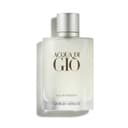
Armani publishes Acqua di Gio Eau de Toilette as marine notes, bergamot, neroli, jasmine, patchouli and cedar. Chanel publishes Bleu de Chanel Eau de Parfum as grapefruit, bergamot, incense, ginger, sandalwood and cedar. Six materials each.
Line them up and the overlap is bergamot and cedar, and nothing else. That is a remarkably thin result for two bottles that get recommended interchangeably, and it gets thinner when you ask how distinctive those two shared materials actually are. We counted across the whole registry: bergamot is published by 29 of the 83 fragrances we cover, which makes it the single most common material on this site, and cedar by 14. Neither tells you anything about a fragrance. They are the salt and pepper of the designer aisle.
Which leaves eight materials doing all of the work, four per side, and none of them held in common:
- Armani’s four:marine notes, neroli, jasmine and patchouli. The marine accord is the whole identity — the salty, wet, just-out-of-the-sea effect — and it is published by only three fragrances in our registry. Neroli, also three. This is a narrow, specific thing to smell like.
- Chanel’s four: grapefruit, incense, ginger and sandalwood. Incense is published by four of our 83, and it is the reason Bleu reads serious. Grapefruit gives a bitter, pithy lift rather than a sweet one, ginger adds dry heat, and sandalwood is a creamy, slow base wood that keeps the whole thing from going sharp.
In plain terms: one of them is wet and the other is dry. Acqua di Gio is water, salt and white flowers. Bleu de Chanel is smoke, pith and warm wood. The reason they get cross-shopped at all is that both open on citrus and both are marketed as the versatile everyday choice, and the reason the argument never resolves is that after the first ten minutes they have almost nothing to do with each other. Our guide to notes explains why the opening is the least reliable part of a pyramid to judge a bottle on.
EDT against EDP: the concentration gap is the real performance gap
These are not the same strength of product, and the comparison is often run as though they were. Acqua di Gio is an eau de toilette; Bleu de Chanel, in the version we rank, is an eau de parfum. Published industry figures put eau de toilette at roughly 5 to 15 percent fragrance oil and eau de parfum at roughly 15 to 20 percent. That is not a marketing tier, it is a different amount of material on your skin.
It shows up in what the community reports. Acqua di Gio is consistently reported at five to six hours, Bleu de Chanel at eight to ten. Those are community figures from Fragrantica and Reddit rather than anything we measured, and they are averages across thousands of wearers with different skin, but the direction is not in dispute and the published concentrations predict it. Our concentration explainer runs through what each label actually buys you, and our guide to sillage, projection and longevity explains why wear time is the spec people most often confuse with strength.
One consequence worth stating plainly, because it cuts against the usual advice: the shorter wear time is part of why Acqua di Gio works in heat. Fragrance release scales with skin temperature, so a dose that behaves at a desk in March is much louder on a warm body in August. A light aquatic that fades is a better hot-weather companion than a dense eau de parfum that does not.
Buying them is not equally easy, and that belongs in the decision
Acqua di Gio is sold more or less everywhere, including on the marketplace, which is why the button on this page goes to a product listing with a live price on it.
Bleu de Chanel is different, and we would rather say so than quietly link you somewhere. Chanel operates a selective distribution network and has taken action against sellers operating outside it even when the goods they are selling are genuine. The practical effect for a buyer is that there is no clean, authorized Amazon listing for a full bottle — what you find instead is decants, miniatures and gray-market sellers. So this page does not pretend to have a product page for it. Our registry records no listing, the button renders as a search rather than a product, and the recommendation is to buy it from Chanel or from a retailer Chanel authorizes.
That is also the context for the counterfeit risk, which is far higher on a tightly controlled house than on a widely distributed one. If you are buying Bleu from anywhere other than a boutique or a department store, read our guide to spotting a fake bottle first, and our breakdown of where to buy cologne ranks the retail channels by how much risk each one carries.
Age, ubiquity, and the thing neither review will tell you
Acqua di Gio was launched in 1996 and Bleu de Chanel in 2014, which makes the Armani the older of the two by eighteen years and one of the oldest fragrances we rank anywhere. Nearly thirty years of being the default summer bottle has a cost: it is the most familiar smell in the category, and a fragrance that everybody recognizes cannot also be a fragrance that gets you asked what you are wearing.
Bleu is younger but it is not obscure either — it has been a top seller for a decade and has its own kind of ubiquity, especially in offices. Neither of these is a discovery. If what you want is to smell good and uncomplicated, that ubiquity is irrelevant and both are excellent at the job. If what you want is to smell like yourself, neither of these is the bottle, and our signature-scent guide is a better starting point than either review.
How to actually choose, in four lines
- You live somewhere hot, or you want it for summer: Acqua di Gio. The marine-and-neroli structure is built for heat and the short wear time stops it becoming too much.
- You want one bottle for work and the evening: Bleu de Chanel. Dry incense and sandalwood read formal, the eau de parfum concentration carries a full day, and it does not read seasonal.
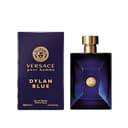
- You want the citrus without committing to either base: Versace Dylan Blue, which publishes a distinctive material from each side and costs less than both.
- You cannot decide: buy neither yet. A sample set answers this question in a week for a fraction of one bottle, and these two are different enough that a blind buy is a genuine coin flip.
The cheaper routes to each one
Both of these have a clone economy around them, and the two economies look nothing alike because the two fragrances do not. The Bleu template is one of the most-copied structures in the value market — our Bleu de Chanel dupes page ranks the one listing the community genuinely reads as a clone plus the cheaper fresh-woody alternatives, and is blunt about which is which. The Armani side is harder: our Acqua di Gio dupes page explains that the three Acqua di Gios are different fragrances and that most of what gets sold as a dupe is aimed at Profondo rather than at the original eau de toilette.
If the budget is the actual constraint rather than the choice, start with our under $50 ranking instead. Several bottles on it outperform both of these on reported wear time, which is the one spec where designer pricing buys you least.