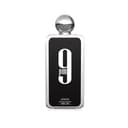
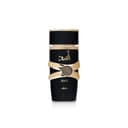
9PM vs Asad side by side
Every row below comes from the published composition for each bottle plus the performance the fragrance community consistently reports. The price band is what a live Amazon check returned on October 5, 2026 — today’s actual numbers are in the buy buttons above, which is the only place on this site a current price appears.
| Afnan 9PM (EDP) | Lattafa Asad (EDP) |
|---|
| Launched | 2020 | 2022 |
|---|
| Published key notes | Apple, cinnamon, wild lavender, bergamot, orange blossom, vanilla, tonka bean, amber | Pineapple, coffee, saffron, amberwood, tonka bean, musk |
|---|
| How the sweetness reads | Spiced apple into creamy vanilla — baked rather than boozy | Coffee and candied fruit into dry amber — boozy rather than baked |
|---|
| Reported longevity | 8–10 hours (community-reported) | 9+ hours (community-reported) |
|---|
| Best season | Autumn through spring; survives a mild day | Cold weather only |
|---|
| Best occasion | Evenings, dates, casual daytime in cool air | Nights out, dinners, cold-weather events |
|---|
| Office? | One spray, in winter, in a tolerant office | No |
|---|
| Price band (Oct 5, 2026 check) | Under $30 | Under $25 — the cheaper of the two on the day |
|---|
Same base, opposite openings
Read the two pyramids next to each other and the shared ground is obvious: tonka bean and amber under both, which is the material combination that makes a fragrance read warm, slightly powdery and expensive. That shared base is why these bottles end up on the same shortlist, and why people who like one usually do not hate the other. Everything that actually decides your purchase happens in the first hour.
9PM: spiced apple, then vanilla
Fragrantica files the 2020 release as an oriental vanilla, and the published top is apple, cinnamon, wild lavender and bergamot. That cinnamon-apple pairing is doing something specific: it reads as baked, warm and faintly festive rather than as fresh fruit. The wild lavender is the note most people miss in the list and the one that matters most, because it puts a dry, slightly herbal edge over the top of the sweetness and keeps the opening from collapsing straight into dessert. Underneath, vanilla, tonka bean and amber do the long work, and the community reports eight to ten hours of it.
Asad: coffee and pineapple, then dry amber
Asad opens on pineapple and coffee with saffron behind it, into amberwood, tonka bean and musk. Coffee is the note that defines this bottle. It is a dark, slightly bitter, roasted material, and it stops the pineapple from reading as tropical or cheerful — the combination lands closer to a dessert wine than to fruit. Saffron adds a leathery, faintly medicinal warmth that the fragrance community associates with the more expensive end of the shelf. The result is sweet but not sugary, and it is noticeably darker than 9PM from the first spray. The community reports nine hours and up.
The thing that actually decides it
Ask yourself which of two words you would rather smell of: cinnamon or coffee. That is genuinely the whole decision. If cinnamon, 9PM will make sense to you on the first spray and Asad will read as heavy. If coffee, the reverse. Because the bases are so similar, a side-by-side test is unusually informative on a wrist rather than on paper — the amber-tonka dry-down takes a couple of hours to arrive and it is the part you will be wearing for most of the day. A sample set is the cheap way to answer that for yourself.
Performance, and how much to spray
Both bottles are eau de parfum, and both are reported well past what most designer eaux de toilette manage. This is the real argument for the value houses, and it is not a trick: higher fragrance-oil concentration costs the manufacturer money, and these houses spend it there rather than on advertising. Our concentrations guide lays out what each label actually means.
Where that cuts against you is dosage. Both of these project hard for the first few hours, and the common mistake with cheap, strong fragrance is to spray it like a cheap, weak one. Two sprays is plenty from either bottle and three is the ceiling for Asad in a room with other people in it. If you find your bottle has become invisible to you after a week of daily wear, that is nose adaptation, not the fragrance failing — we cover why that happens in why you cannot smell your own cologne, and it is the single most common reason people over-apply.
Is either one a clone?
Neither carries a community-reported likeness to a single designer fragrance in our registry, and we will not name one we cannot support. This matters because both bottles come from houses best known for clones, and the assumption that every value-house release is a copy of something is wrong often enough to be worth correcting. 9PM and Asad are originals in a popular lane — sweet amber — and they are ranked here on their published composition and reported performance, not on a resemblance claim.
If what you actually want is a named clone of a specific expensive bottle, that is a different page: our clone houses ranked covers which house to trust for which designer, and the Lattafa house guide maps the Lattafa catalogue onto the designers the community reports each one resembling.
What about Khamrah?
Khamrah comes up constantly in this comparison, because it is the Lattafa release that made the house famous and it sits in the same price bracket. It is a different proposition from both: a full gourmand built on cinnamon, nutmeg, dates, praline and vanilla, which the community reads in the Kilian Angels’ Share lane. That is a reported likeness rather than an identity claim, and it is also the reason Khamrah gets cross-shopped against bottles costing five times more.
If you are torn between 9PM and Asad because you want the sweetest, most dessert-like of the three, Khamrah is the honest answer and you should skip both. We put it head to head with Asad in Khamrah vs Asad, which is the page to read if those are your two finalists rather than these.