The short answer
The first cologne was Eau de Cologne — Kölnisch Wasser, “water of Cologne” — sold from a house on the Glockengasse in Cologne, Germany, by a merchant named Wilhelm Mülhens. The account recorded in the brand’s own history is that on 8 October 1792 a Carthusian monk gave Mülhens the secret recipe for an aqua mirabilis, a miracle water for internal and external use, as a wedding gift. Mülhens founded a small factory at the Glockengasse and established the first eau de cologne as a remedy.
It is still on sale. The brand is 4711, and its own site describes it as “one of the oldest brands in the world” with “almost 230 years” of history, still made in Cologne, still sold from the Glockengasse address that the company says draws more than a hundred thousand visitors a year.
Two things about that story are worth more attention than they usually get, because they explain almost everything confusing about the word “cologne” today. The original was sold as medicine, not perfume. And the number on the bottle is a street address.
It started as a drink
An aqua mirabiliswas not a fragrance in the modern sense. It was a remedy — a scented alcoholic water taken internally as well as applied to the skin, in a period when strong aromatic preparations were understood as medicine rather than as cosmetics. Mülhens established his product as exactly that: a remedy, sold from a factory, on a named street. The brand’s own wording today is that “a once invigorating health drink evolved into Eau de Cologne.”
That origin is not a historical curiosity. It is the reason the format exists. A medicinal water had to be light enough to use freely— splashed on, used often, in quantity — which is the opposite design brief from a modern parfum built to survive ten hours from two sprays. The low concentration that still defines “eau de cologne” on a label today is a direct inheritance from a product people drank.
It also explains the smell. Citrus and aromatic herbs were the materials of the apothecary: bright, clean, astringent, associated with freshness and cleanliness rather than with sensuality. Every fresh citrus fragrance on the market is downstream of a pharmacy counter. If you want the modern version of that shelf, our fresh colognes roundup is the list, and scent families explained shows how far the rest of perfumery has travelled from it.
The number is a house number
This is the detail that makes the story stick, and it is the one most people get slightly wrong.
On 3 October 1794, with French revolutionary troops standing outside the city, Cologne’s council approved a plan to number every house in the city without exception. The troops occupied Cologne days later and the numbering proceeded. The Mülhens premises were assigned the number 4711— and by the 1797 Cologne address book that number is recorded against the house.
So the brand is not named after a formula, a founder or a year. It is named after a piece of occupation-era municipal administration. The world’s most famous cologne is called the address where you could buy it, which is a more honest piece of branding than almost anything the industry has managed since.
The brand changed hands repeatedly through the twentieth century and was sold to the German perfume company Mäurer & Wirtz in December 2006. It remains in production.
Why “cologne” now means three things
Here is the practical payoff of the history, and the reason this page keeps getting searched for. The word does three different jobs in modern English and nobody ever tells you which one is being used.
- A place and a product.“Eau de cologne” originally meant the specific citrus-and-herb water from the city of Cologne. This is the original and narrowest use.
- A concentration.As the style spread, the name became a strength on a label — the lightest of the standard tiers. Published industry figures put eau de cologne at roughly two to six percent fragrance oil, depending which source you read, against about five to fifteen percent for eau de toilette and fifteen to twenty for eau de parfum. In this sense a cologne is a dilution, and it says nothing about what the fragrance smells like.
- Men’s fragrance in general.In everyday American usage, “cologne” just means a scent marketed to men, regardless of what the box says. By this definition most “colognes” sold in the United States are not colognes at all — they are eaux de toilette and eaux de parfum.
All three uses are current and all three are legitimate, which is why asking “is this a cologne or a perfume?” so often produces an argument instead of an answer. The question you usually want is about concentration, and cologne vs perfume vs EDT vs EDP answers that one directly, with fragrance concentrations explained covering the published percentages in full.
What the first cologne means for what you buy
Three things carry forward from 1792 into a purchase you might make this week.
Light is a choice, not a failure. If a citrus fragrance lasts four hours, it is behaving the way the genre was designed to behave. The arms race in longevity is a recent development, and judging a bright citrus against a tobacco-vanilla parfum is judging two different design briefs. Our guide to sillage, projection and longevity separates those ideas properly.
Reapplying is traditional.The original was splashed on freely, repeatedly, through the day. If you like a cologne-style fragrance and want it present at six in the evening, carrying a small decant is the historically correct answer rather than a workaround — travel sizes and decants are built for exactly that.
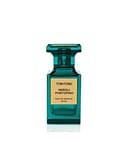
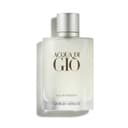
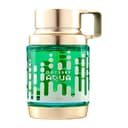
The cleanest smells came from the pharmacy.If you find most modern fragrance too sweet, too heavy or too obviously designed to be noticed, the citrus-and-herb lineage is where to look — and it is the oldest and best-tested idea in the category. The three picks below are where we would start.